Pricing a luxury home in Buckhead is not guesswork. It is a targeted strategy that blends hyper-local data, property nuance, and buyer psychology. If you are aiming for strong offers with fewer days on market, the price you choose is your most powerful tool. In this guide, you will learn how to read micro-neighborhood signals, select the right comparables, and choose a pricing strategy that aligns with your goals. Let’s dive in.
Buckhead luxury market reality
Buckhead attracts a specific buyer pool, including local high-net-worth individuals, corporate executives, and out-of-state buyers seeking lifestyle, privacy, and prestige. This buyer set behaves differently from the wider Atlanta market, which is why a one-size pricing approach falls short.
Demand in the luxury tier can shift with credit conditions and overall liquidity. When mortgage rates climb, the financed buyer pool narrows, while cash and portfolio buyers remain active. In this environment, accurate pricing and polished presentation help you stand out.
Inventory also moves in bands. Homes at 1 to 2 million dollars behave differently than those above 5 million. Ultra-luxury estates typically see longer days on market and fewer direct comparables, which calls for a broader and more nuanced pricing approach.
Know what drives value
Micro-neighborhood and street nuance
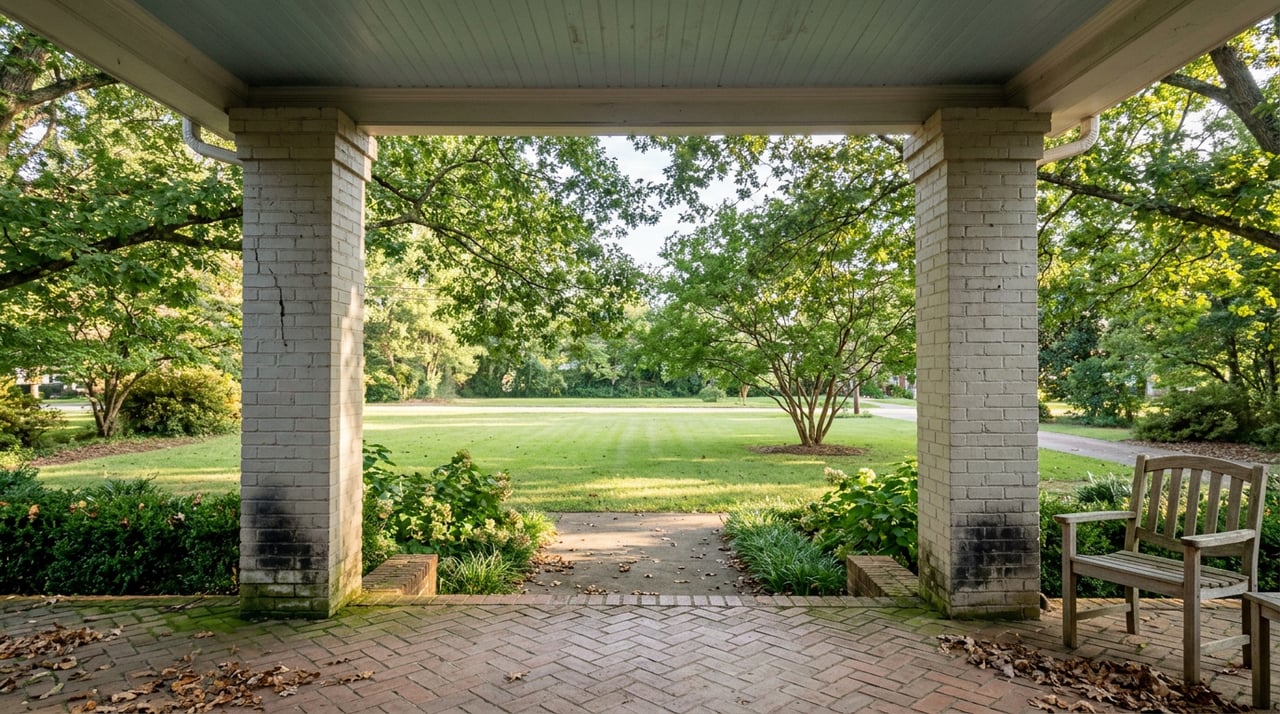
In Buckhead, the same ZIP code can hide very different value stories. Tuxedo Park often commands premiums for lot size, mature canopy, and privacy. Peachtree Heights and Peachtree Hills benefit from proximity to Buckhead Village and appeal to buyers who value walkability and quality renovations. Chastain Park and North Buckhead vary by lot size and park access, with park-facing properties often achieving higher per-square-foot values. Lenox Park, Garden Hills, and areas near Phipps Plaza can see premiums for convenience and amenities. Street-level qualities, such as a cul-de-sac or tree-lined corridor, can move buyer perception meaningfully.
Lot, privacy, and outdoor living
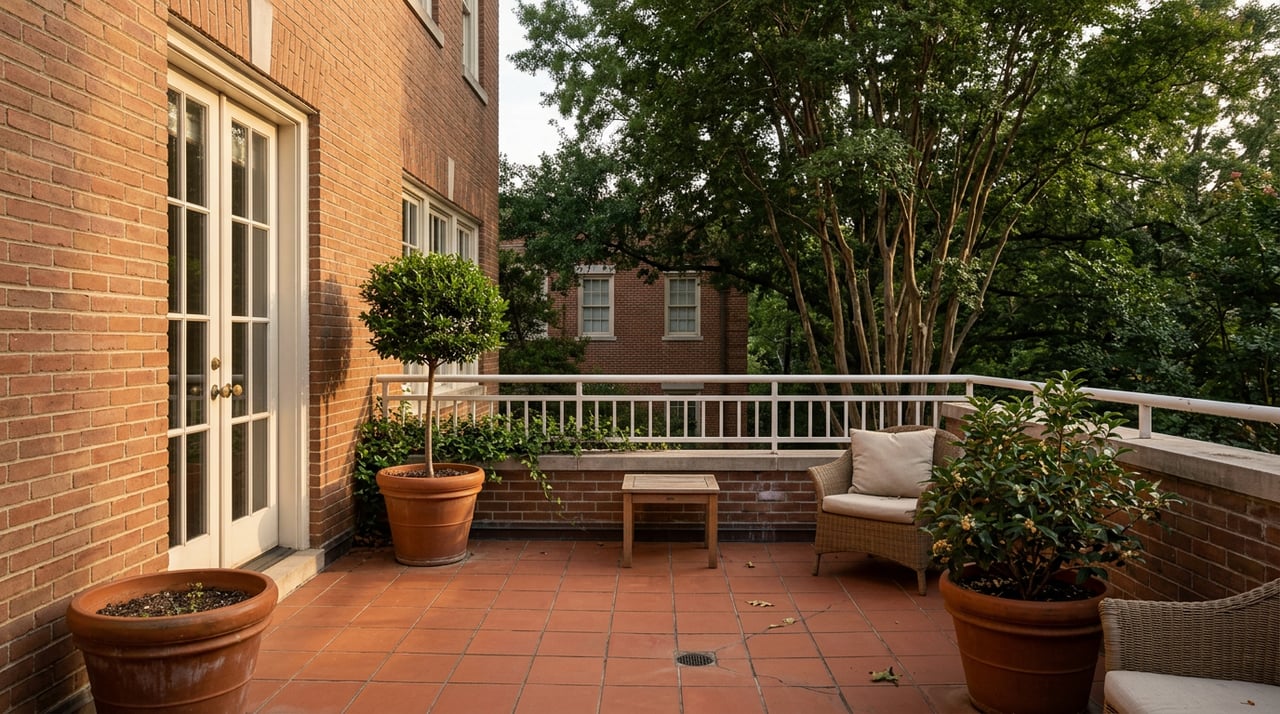
Large, usable acreage, thoughtful topography, and mature landscaping are big value drivers. Privacy buffers, pool and terrace setups, and outdoor kitchens can materially change buyer willingness to pay. Unobstructed views, park frontage, or skyline outlooks also influence pricing, especially when they are durable over time.
Architecture and construction pedigree
Custom architecture, recognized builders, and high-level craftsmanship are hard to replicate and often capture premiums. A modern, well-executed renovation typically outperforms an older home with deferred maintenance, even if the square footage is similar.
Interior condition and systems
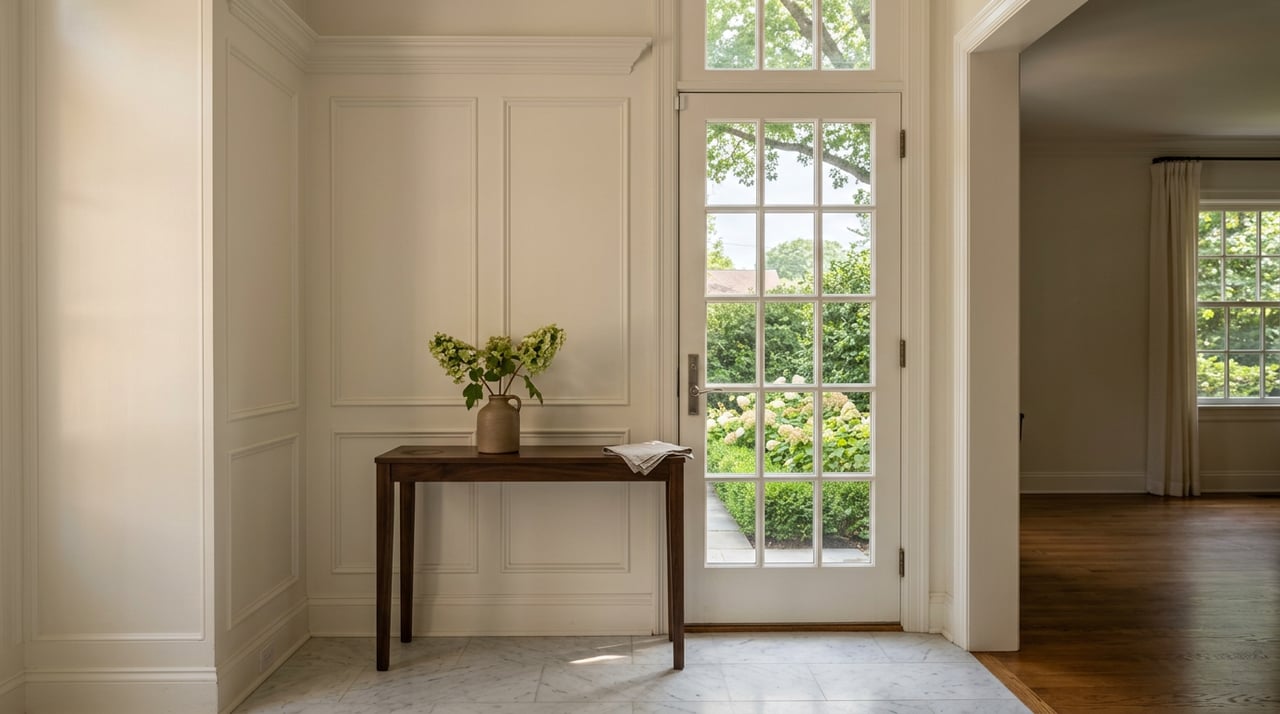
Buyers in this tier expect quality. High-end mechanicals, upgraded kitchens and baths, integrated smart technology, an elevator, and bespoke millwork all boost marketability. Be clear on measurement: above-grade and finished terrace levels price differently. Finished lower levels contribute value, but often at a lower per-square-foot rate than main floors.
Functional layout and lifestyle fit
Flexible floor plans with dedicated offices, guest or in-law suites, fitness or theatre spaces, and well-planned circulation matter. In the luxury segment, buyers want both entertaining capacity and private family space.
Parking, security, and access
Multi-car garages, gated entries, and discreet driveway access are common expectations and can influence price positioning.
Zoning and development potential
Room to add an accessory dwelling unit, subdivide, or redevelop can change a property’s upside. Verify local zoning, HOA rules, and any conservation or easement limitations before you count on expansion potential.
Build a data-backed price
CMA best practices for Buckhead
A strong Comparative Market Analysis starts with precise comp selection. Prioritize 6 to 12 recent sales in the same micro-neighborhood, ideally the same block or within about a mile for urban Buckhead. Match lot size and key features like pool, view, and garage capacity. If you are pricing an ultra-luxury estate with limited comps, widen the time frame to 12 to 24 months and document any market-change adjustments.
Adjustments should be explicit and tied to observed market behavior. Account for lot size, gross living area, renovation level, outdoor amenities, and view quality. Exclude outliers like non-arm’s-length sales unless you can adjust them properly.
Price per square foot, used wisely
Price per square foot can guide you, but it should not lead the decision. Luxury homes are unique, and finishes, architecture, and lot characteristics often overshadow raw averages. Separate above-grade and finished-below-grade areas, and compare within a truly similar subset to avoid a misleading average.
New construction and replacement cost
For custom homes, new-construction sales can anchor the upper range of value. Replacement cost analysis also helps, especially for unique builds. These methods work best alongside a CMA and, for some properties, a professional appraiser’s input.
Pre-list appraisal and BOV
For ultra-luxury listings, a pre-list appraisal or a broker opinion of value can reduce appraisal risk later and give you confidence up front. It is particularly useful when comps are thin or when your target price tests the top of the neighborhood range.
Choose your pricing strategy
Price bands and thresholds
Buckhead buyer pools tend to shift at certain price bands such as under 2 million, 2 to 4 million, 4 to 6 million, and 6 million plus. Positioning just below a psychological threshold can increase your exposure to more buyers. Balance that tactic with your net goals and timeline.
On-market or discreet
Off-market or pocket-listing approaches protect privacy but reduce exposure and price discovery. If you choose a discreet strategy, anchor your price to the same market logic you would use on the open market. Expect a narrower buyer pool and plan your outreach to qualified agents and clients accordingly.
Align to your goals
- Aggressive market price: slightly under perceived value to drive showings and potential competition in strong demand pockets.
- Market price: realistic, data-backed positioning for balanced speed and price certainty.
- Aspirational price: above market, typically longer days on market and higher risk of reductions, best if your timeline is flexible and the property has rare features.
Read demand and pivot fast
Early demand indicators
The first two weeks tell the story. Track showings per week, inquiry volume, and whether you receive early-tour offers. Watch local price reductions for similar listings. Monitor list-to-sale ratios and days on market for your micro-neighborhood and price band.
Appraisal risk and financing
Luxury deals face a higher chance of appraisal gaps. Prepare a clear package for appraisers that documents upgrades, builder pedigree, and spec sheets. Ask for strong buyer documentation, such as pre-approval or proof of funds, to reduce financing risk and keep negotiations focused on value.
Seasonality and launch timing
Luxury buyers shop year-round, but timing still matters. If your likely buyer aligns their move with the school calendar or a corporate cycle, plan your prep, pricing, and launch window to meet that demand.
A simple pricing workflow
- Define your comp set. Start with your micro-neighborhood and price band. Pull sold, pending, active, and expired listings that match lot, size, and features.
- Inspect with specialists. Walk the home with a contractor, architect, or appraiser to spot unique features and maintenance items. Gather itemized costs for any recommended pre-list work.
- Build a granular CMA. Document adjustments for lot, GLA, condition, systems, pool, and view. Present conservative, market, and aspirational scenarios with pros and cons for each.
- Consider a pre-list appraisal. For ultra-luxury or unique homes, pair the appraisal with best-in-class photography, drone, and virtual tours that match your price story.
- Launch with intent. Set expectations for days on market, open-house strategy, and targeted outreach to buyer brokers and qualified prospects.
- Track and adapt. Pre-qualify buyers, watch showing metrics in the first two weeks, and be ready to recommend a timely adjustment if demand is light.
A CMA example in practice
Imagine three recent sales within a half-mile of your home. All share similar square footage, but key differences emerge:
- Comp A sits on a larger, more private lot with a pool and mature landscaping. Your lot is smaller with partial privacy and no pool.
- Comp B is on your street and has a finished terrace level with a guest suite. Your terrace level is finished, but without a guest suite.
- Comp C backs to park space and has a recently renovated kitchen and primary bath. Your finishes are well maintained but not recently updated.
A thoughtful CMA would adjust downward relative to Comp A for the missing pool and lot privacy, adjust slightly downward against Comp B for the lack of a dedicated guest suite, and adjust downward against Comp C to reflect renovation recency and park adjacency. The final range would then reflect your property’s exact mix of lot, finish level, layout, and location. From that range, you would choose a list strategy based on your timeline and appetite for competitive activity.
Prep to justify your price
Targeted improvements help you defend your number. Focus on items that matter most to luxury buyers: pristine landscaping and outdoor living zones, light cosmetic updates to kitchens and baths, flawless paint and flooring, and service records for major systems. Professional staging and polished media elevate perceived value and help buyers connect with the lifestyle your home offers.
A pricing conversation should always include the marketing plan. Premium photography, drone, and a curated digital rollout reinforce your positioning and attract qualified buyers who understand the value.
The payoff
When you combine micro-neighborhood insight, a disciplined CMA, and a clear pricing strategy, you create the conditions for strong offers with fewer days on market. You also reduce appraisal friction and keep negotiations centered on value, not guesswork.
If you are planning to list in the next 6 to 12 months, now is the time to prepare. For a tailored, concierge approach that aligns price, presentation, and launch timing, reach out to Jennifer Henley to get your valuation and plan next steps.
FAQs
How should Buckhead sellers choose comparables?
- Start in your micro-neighborhood and, if possible, on your own street. Match lot size, finish level, and key amenities like pool or park proximity, then document adjustments.
What is the best pricing strategy for a fast sale?
- A market price grounded in strong comps typically balances speed and net. In high-demand pockets, a slightly aggressive price can generate more showings and potential competition.
How do renovations affect my list price in Buckhead?
- High-quality renovations to kitchens, primary baths, and major systems usually add value and reduce time on market. Cosmetic updates and staging can offer strong near-term ROI.
How can I reduce appraisal risk on a luxury listing?
- Consider a pre-list appraisal and prepare a package with specs, invoices, and recent upgrades. Ask buyers for pre-approval or proof of funds to keep focus on value.
Should I sell off-market to protect privacy?
- Off-market sales can protect confidentiality but limit exposure and price discovery. If privacy is a priority, ensure your price reflects a smaller buyer pool and targeted outreach.