Trying to decide between Old Roswell and East Roswell? Both deliver the Roswell lifestyle, but the rhythm of your days can feel very different depending on which side of GA 400 you choose. You might be picturing evening strolls to dinner on Canton Street or easy access to sports fields and a rec center. In this guide, you’ll see how each area compares on homes, parks, dining, errands, and commuting so you can choose with confidence. Let’s dive in.
What locals mean by each area
In everyday conversation, people use “Old Roswell” to describe the historic, walkable district anchored by Canton Street, Roswell Town Square, and the Roswell Mill/Old Mill Park area. The city maintains multiple preserved 19th‑century sites in this district, which you can explore on the City of Roswell’s historic sites page.
“East Roswell” is a general label for the eastern side of the city, east of GA 400, often centered around Fouts Road and East Roswell Park. Local park planning references this eastern node within Roswell’s broader park system, and residents commonly identify it with the Holcomb Bridge/Mansell corridors and nearby neighborhoods. For a feel of the anchor amenity there, browse East Roswell Park or the city’s park planning overview.
Old Roswell snapshot
Old Roswell offers a compact, walkable core with small storefronts, adaptive‑reuse buildings, and close connections to the river and Old Mill Park. Historic homes, preserved estates, and early‑20th‑century cottages lend the area a timeless feel. Notable examples of preserved architecture include landmarks such as Bulloch Hall.
Housing here includes renovated historic properties and newer infill townhomes within walking distance of Canton Street. Lots in the immediate core tend to be smaller. If you love strolling to dinner and markets, it’s hard to beat the ambiance of this district.
East Roswell snapshot
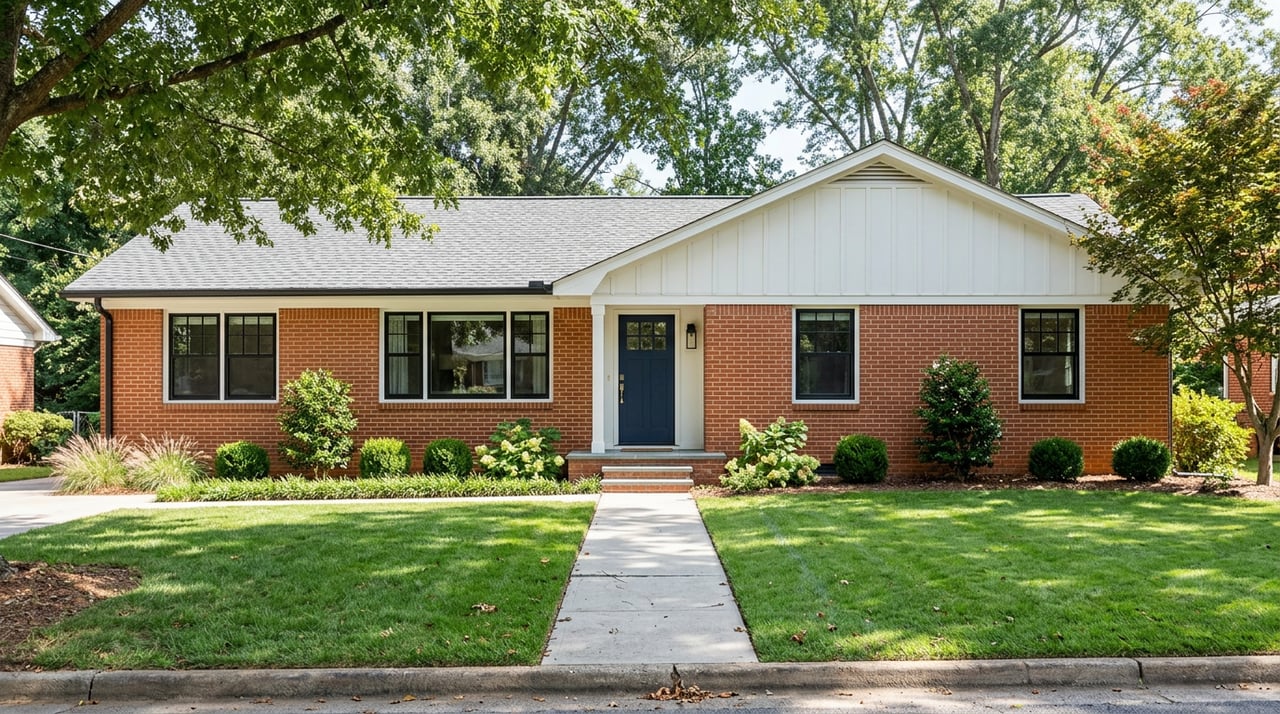
East Roswell reflects late‑20th‑century and early‑21st‑century suburban growth: larger lots, cul‑de‑sacs, and planned neighborhoods. Most homes were built from the 1980s onward, with ongoing improvements to community recreation spaces. The city has invested in the area’s park system, including multi‑year upgrades at East Roswell Park highlighted by local outlets like Urbanize Atlanta and Roswell Connections.
If you prefer newer floor plans, roomier yards, and a neighborhood feel built around fields, courts, and community facilities, East Roswell lines up well.
Parks and trails comparison
Old Roswell: river and mill trails
From the historic core, you can quickly reach Vickery Creek/Old Mill Park and the Roswell Mill ruins, which connect to the Chattahoochee River National Recreation Area’s Vickery Creek Unit. Expect wooded creek trails, waterfalls, boardwalks, and longer riverside routes for walking or running. Get a preview from this Roswell Mill and Vickery Creek overview. The National Park Service has approved projects that improve connections between the historic district and river trails, noted in this NPS release.
You can also access regional multi‑use paths like the Big Creek Greenway, popular for cycling and running.
East Roswell: fields and facilities
East Roswell Park on Fouts Road is the side’s central amenity, spanning about 40 acres with an 18‑hole wooded disc‑golf course, sports turf fields, playgrounds, a dog park, a sprayground, and the on‑site Art Center. The city continues to upgrade fields, trails, and ADA access. See the lineup at East Roswell Park.
If you want frequent access to organized athletics, larger playgrounds, and a rec‑centric schedule, East Roswell stands out.
Dining and daily errands
Old Roswell: Canton Street cluster
Canton Street is a walkable dining and small‑business corridor with independent restaurants, wine shops, cafes, and boutique retail. Expect more evening foot traffic, sidewalk dining, and special events. For a flavor of the scene, browse this round‑up of Canton Street restaurants.
East Roswell: handy suburban convenience
Across the east side, daily errands often center on Holcomb Bridge Road and Mansell Road, where you’ll find grocery options, big‑box retail, gyms, and a mix of local and national eateries. These clusters are more car‑oriented than Canton Street but make it easy to accomplish your weekly list in a single drive.
Commute and mobility realities
GA 400 is Roswell’s primary north–south link to major job centers. Holcomb Bridge (SR 140), Alpharetta Street, and Mansell Road provide key east–west connections. Congestion on GA 400 near I‑285 and at interchanges is the most common source of delay, as noted in this local guide.
Plan on roughly 20–25 miles from central Roswell to downtown Atlanta, with typical drive times in the 25–35 minute range outside peak hours. Travel time rises sharply in rush hour, so always test your route. Use this Travelmath estimate as a baseline, then run live tests during your actual commute windows.
There is no MARTA rail station in Roswell. Bus routes and park‑and‑ride options connect to rail, with many commuters driving to stations or using express services. See MARTA’s bus routes for system details.
Pro tip: A ten‑minute difference on a map can become a 20–40 minute swing at rush hour. Time both the morning and evening patterns from any home you are considering, as suggested in this commute planning overview.
How to choose quickly
- If you want short walks to cafés, spontaneous dinners on Canton Street, and easy access to riverside trails, prioritize Old Roswell. Explore the dining energy highlighted in this Canton Street roundup.
- If you prefer newer floor plans, larger yards, and frequent access to organized fields and a rec center, focus on East Roswell around Fouts Road and East Roswell Park, profiled here: East Roswell Park.
- If commute time to GA 400 or the Tech Corridor is mission‑critical, test AM/PM routes from both sides of town. Start with Travelmath’s baseline and verify with real‑time drives.
Short‑list checklist for tours
Use this checklist to narrow to 3–5 homes before you book showings.
- Commute test: Drive your actual route at your typical AM/PM times. Record door‑to‑door time, not just distance. For traffic patterns and pinch points, review this Roswell to Atlanta guide.
- Walkability test: From the property, walk to the coffee shop, restaurant, or trail you plan to use most. Time the route and note sidewalks and crossings.
- Lot and yard check: Measure usable yard area. Note fencing, slope, and shade.
- Noise and traffic: Near Holcomb Bridge, Mansell, or GA 400, test noise with windows open during peak hours. The Roswell–Atlanta article explains common congestion points.
- Park and trail access: In Old Roswell, walk to the nearest Vickery Creek or river trail entrance. In East Roswell, time your walk or drive to East Roswell Park. See upcoming connections in this NPS update.
- Infill vs. historic: Confirm construction year. In Old Roswell, ask about any preservation guidelines before planning changes. Explore the city’s historic sites.
- HOA and amenities: For East Roswell subdivisions, clarify fees, what amenities are included, and guest policies for pools or fields.
- Errand run: Drive your typical grocery–pharmacy–dry cleaning loop from the house at a busy time. Note left turns and lights.
- Flood and river proximity: For homes near the Chattahoochee or Vickery Creek, request floodplain maps and review recent river‑edge project notes from the NPS.
- Event calendar fit: If you love community events near Canton Street, confirm how often they occur and whether your block is within pedestrian or detour zones.
The bottom line
- Choose Old Roswell if you want a historic, walkable core with quick access to scenic river and mill trails, and a lively dining scene.
- Choose East Roswell if you want newer construction, larger yards, and frequent use of fields, playgrounds, and a rec‑centric schedule.
- Whichever you prefer, verify your commute and your most‑used daily routines at real‑world times to avoid surprises.
Ready to tour the best options for your lifestyle and timing? Let’s curate a short list, map your commute windows, and make a confident choice in Roswell. Reach out to Jennifer Henley to get started.
FAQs
What is considered “East Roswell” in Roswell, GA?
- Locals generally mean the area east of GA 400, often centered around Fouts Road and East Roswell Park, as referenced by city park planning and Visit Roswell’s park listing.
How walkable is Old Roswell to river and mill trails?
- From the historic core near Canton Street, you can quickly reach Vickery Creek/Old Mill Park and connect to the Chattahoochee River trails; see the Roswell Mill overview and NPS improvements.
Which parks anchor East Roswell?
- East Roswell Park is the primary hub, featuring sports fields, a wooded disc‑golf course, playgrounds, a dog park, a sprayground, trails, and the Art Center, with ongoing upgrades noted by Urbanize Atlanta.
How long is the drive from Roswell to downtown Atlanta?
- Plan on roughly 20–25 miles and about 25–35 minutes outside peak hours; rush‑hour traffic can add significant time, so test your route and review Travelmath’s estimate.
Does Roswell have MARTA rail service?
- There is no MARTA rail station in Roswell; residents typically use bus routes and park‑and‑ride to connect to MARTA rail, detailed on MARTA’s bus routes page.