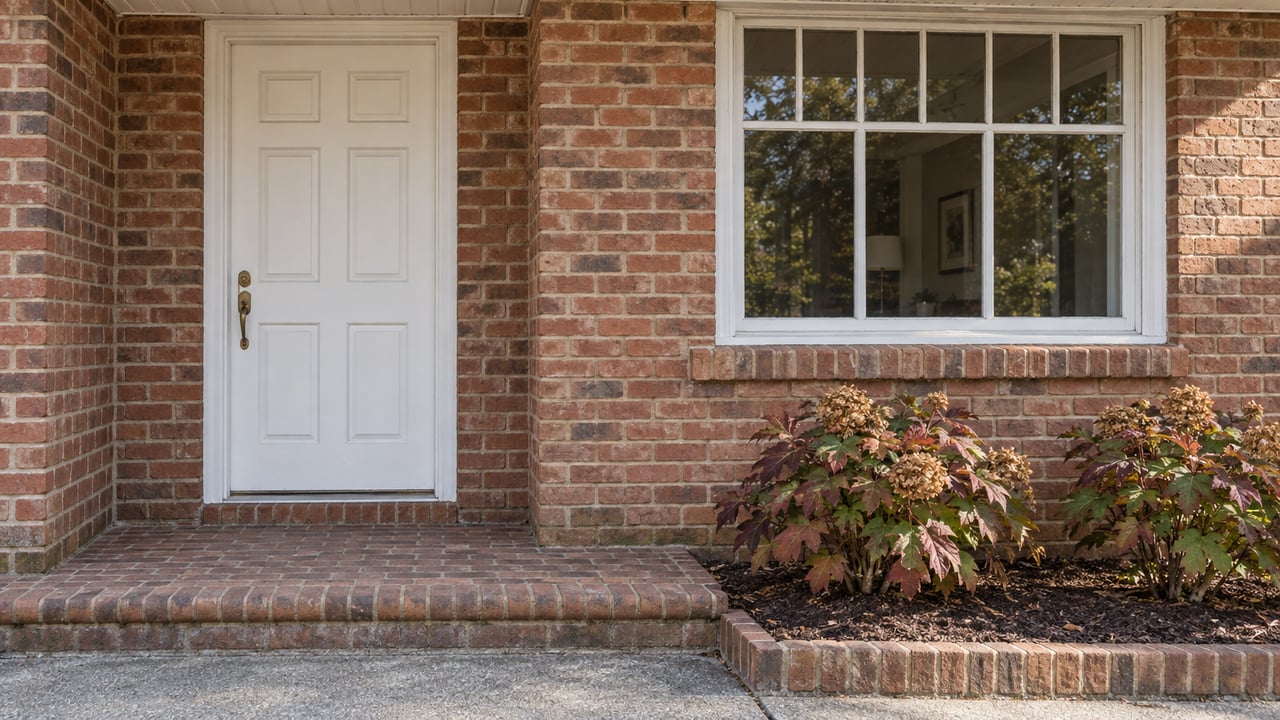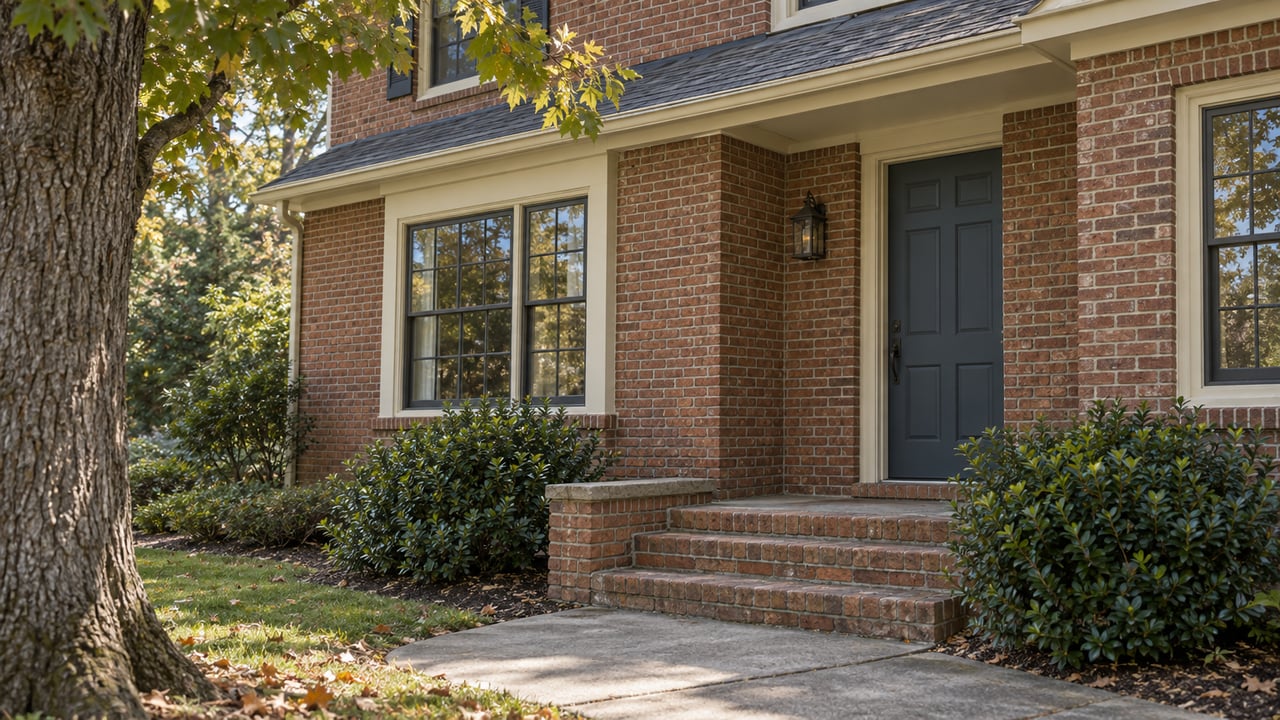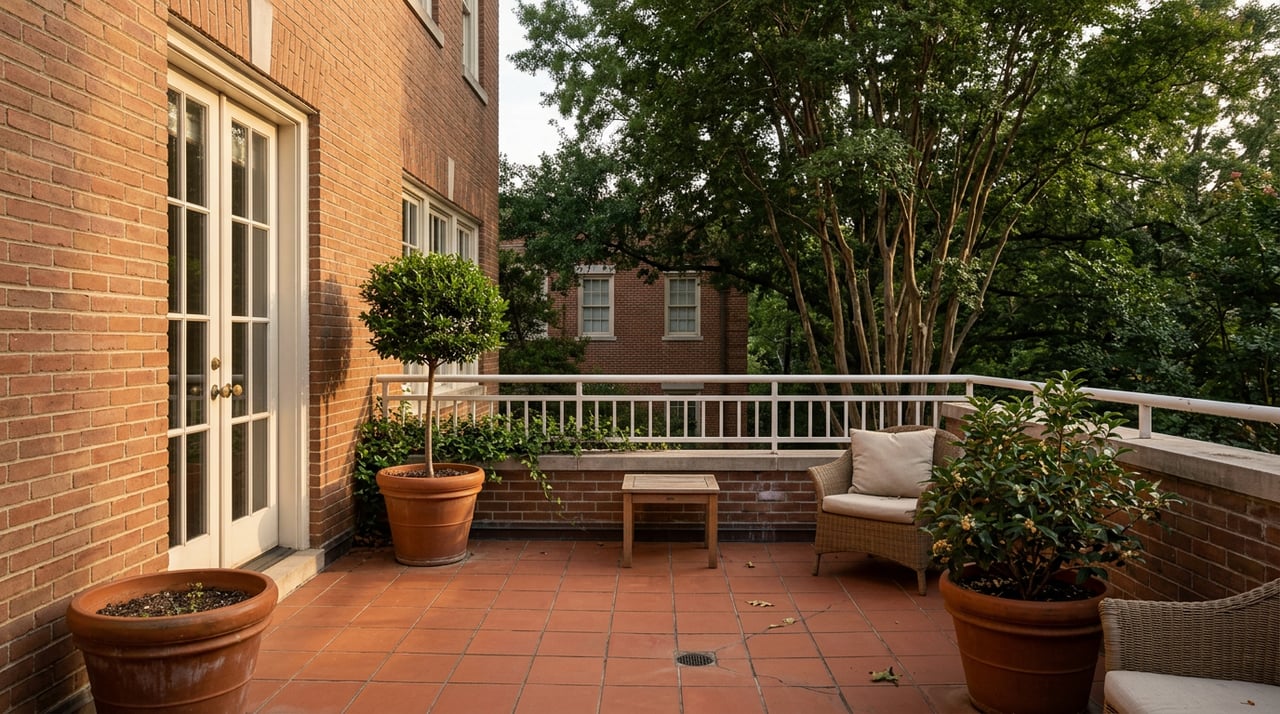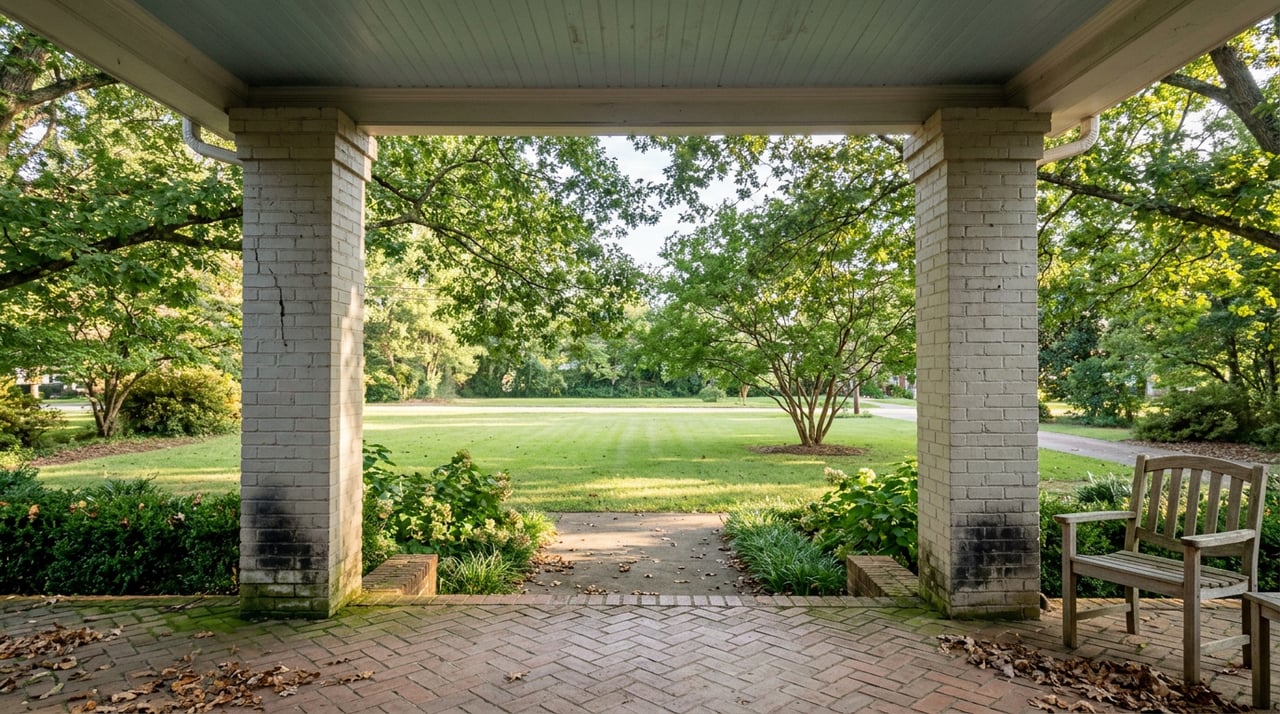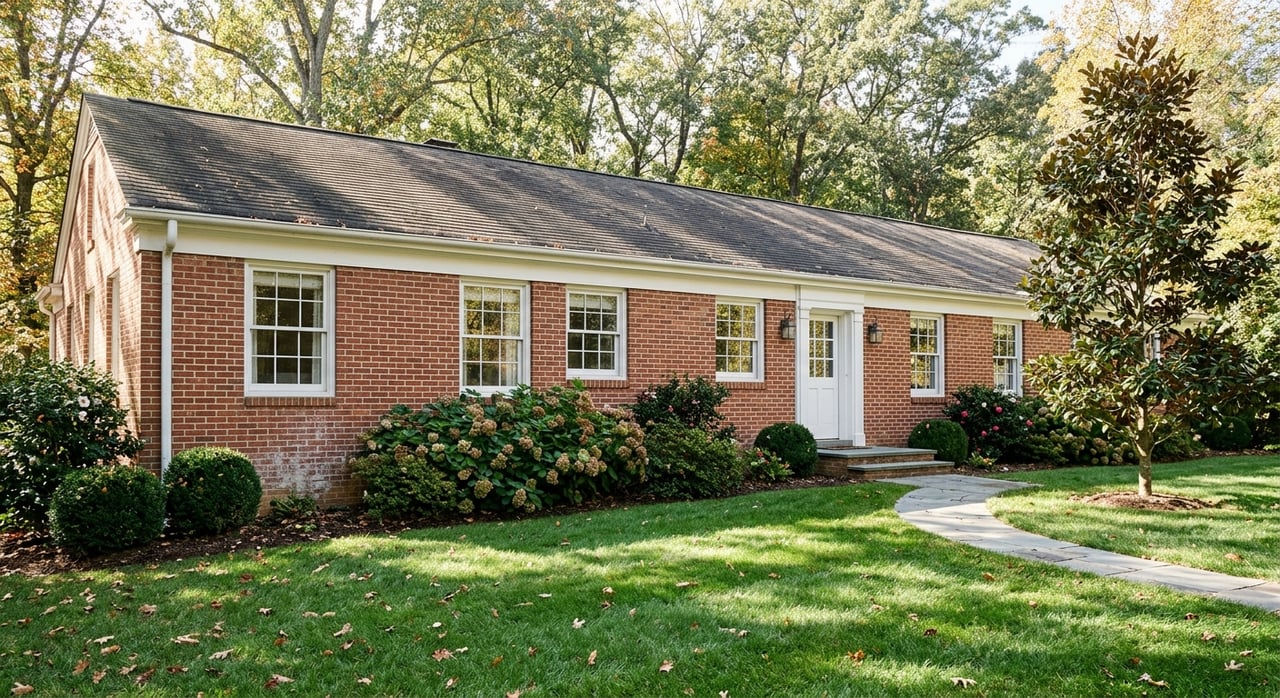
Wondering whether your Buckhead ranch is worth renovating, expanding, or tearing down? You are not alone. Many owners look at a solid one-story home on a valuable lot and ask the same question: how do you make the smartest move without sinking money into the wrong plan? The good news is that a clear decision usually comes from a few practical factors, including your lot, your zoning, your trees, and today’s market. Let’s dive in.
Why the decision is harder now
In a fast-moving market, owners sometimes assume almost any major project will pay off. That is not the case in every season, and Buckhead’s current numbers suggest buyers have more room to compare homes before making an offer.
Realtor.com reports Buckhead as a buyer’s market, with a March 2026 median listing price of $465,000, median days on market of 54, and a 97% sale-to-list ratio. At the metro level, the Atlanta REALTORS® Association reported 17,723 active listings, 4.0 months of supply, and a $418,000 median sales price across the 11-county area in March 2026.
For you, that means the right answer is less about chasing a trend and more about matching the property to the lot and the buyer pool. In this kind of market, thoughtful improvements tend to matter more than oversized plans that do not fit the parcel or block well.
Start with the lot, not the house
If you own a Buckhead ranch, it is easy to focus first on the floor plan. But before you sketch a bigger kitchen, a second story, or a full new build, you need to know what the site can legally support.
The City of Atlanta says projects involving new construction, additions, alterations, demolition, accessory structures, tree removal, and work in historic districts may need approval from the Department of City Planning and other agencies. That makes zoning and site review the foundation of your decision.
A good first step is the city GIS property lookup. If you need confirmation for planning, the city also offers a Zoning Verification Letter that confirms the property’s zoning district and any applicable overlay, planned development, historic, landmark, or special public interest district.
That letter does not confirm property dimensions or building permits, but it can help clarify the rules that affect your options. The city says the fee is $100, and requests are normally completed in 7 to 10 business days after the application is complete and payment is received.
How zoning shapes your options
Not every Buckhead ranch lot has the same flexibility. Even homes that look similar from the street can have very different development potential based on zoning district, setbacks, lot size, and maximum lot coverage.
Atlanta’s residential zoning summary shows how much these numbers can vary:
- R-3: minimum lot area of 18,000 square feet, 50-foot front setback, 10-foot side setbacks, 20-foot rear setback, and 40% maximum lot coverage
- R-4: minimum lot area of 9,000 square feet, 35-foot front setback, 7-foot side setbacks, 15-foot rear setback, and 50% maximum lot coverage
- R-4A: minimum lot area of 7,500 square feet, 30-foot front setback, 7-foot side setbacks, 15-foot rear setback, and 55% maximum lot coverage
These standards do not guarantee you can build what you want. Still, they show why one ranch may be a strong candidate for an addition while another may be a better fit for a lighter renovation.
Why envelope matters
The buildable envelope is the real story behind many renovation or rebuild decisions. If setbacks and lot coverage leave little usable room, a major addition can quickly become frustrating, expensive, or both.
On the other hand, if your parcel has enough area and a workable layout, an expansion may unlock meaningful value without the cost and complexity of a full teardown. This is why two homes with similar square footage can have very different upside.
Trees can change the timeline fast
In Buckhead, mature trees are part of the appeal, but they can also shape what is possible on a site. This is one of the biggest practical issues owners overlook at the beginning.
The City of Atlanta’s Office of Buildings says any permit application involving potential impact to trees must include a formal Arborist Meeting before submission. Applications without proof of that meeting will not be accepted.
The Arborist Division also says tree protection and tree removal may be handled under a building permit or through a separate application for a dead, dying, diseased, or hazardous tree. If your preferred addition, driveway shift, or new home footprint affects protected trees, that review can influence both cost and schedule.
Why trees matter to the renovate-or-rebuild choice
A renovation that stays mostly within the existing footprint may avoid some site pressure. A larger addition or full replacement home may create more conflict with the tree canopy, especially on lots with limited open area.
That does not mean you cannot move forward. It simply means tree review should happen early, before you commit to a design path that may not fit the site.
Historic or special district rules matter too
Some Buckhead properties may be affected by overlays, landmark rules, or historic review. If that applies to your property, the path can be more layered than many owners expect.
The city says that for exterior work in a landmark or historic district, landmark building, or landmark site governed by Chapter 20 of the zoning ordinance, the usual under-$10,000 repair exemption does not apply the same way. The city also notes that lawful repair work under $2,500 has no certificate of appropriateness or building permit fee requirement.
Depending on the property and project scope, additional review may be required before a building permit can even be submitted. That can include a Special Administrative Permit, a Certificate of Appropriateness, or Urban Design Commission approval.
When renovation makes the most sense
Renovation is often the best path when the house already sits well on the lot and the basic structure is sound. If your ranch has good bones, a reasonable layout, and marketable curb appeal, updating finishes, systems, and selected interior spaces may be the smartest value play.
Atlanta notes that many minor repairs under $10,000 do not require a permit in ordinary circumstances, though that exemption is narrow and does not cover major remodel work. In practical terms, a cosmetic or systems-focused update is usually the lowest-risk option when you do not need to dramatically change the structure.
This approach can make sense if you are trying to:
- Modernize an older interior
- Improve functionality without changing the footprint
- Limit disruption and carrying costs
- Prepare the home for resale with a stronger presentation
For sellers, this can be especially effective in a buyer-leaning market, where polished, move-in-ready homes often stand out more clearly than homes that feel unfinished or overcomplicated.
When an addition may be the sweet spot
An expansion can be ideal when your lot supports more square footage and the current home is worth keeping. This is often the middle path between a light remodel and a complete rebuild.
If the parcel can absorb a rear addition, a reworked primary suite, or even a second-story concept, you may be able to create a more appealing end product while preserving part of the existing structure. The real question is whether the lot, setbacks, lot coverage, overlays, and tree conditions leave room for a meaningful improvement.
An addition may be worth exploring if:
- The current ranch has a solid footprint but lacks one or two key spaces
- You want a better floor plan without starting over
- The lot offers enough flexibility for a larger envelope
- A full teardown would add unnecessary cost or delay
In many cases, this is where careful planning pays off the most. A well-executed expansion can create a more competitive home without crossing into overbuilt territory.
When rebuilding may be the right call
A teardown and new build tends to make the most sense when the current house has major structural or functional limitations, or when your goals simply cannot fit within the existing envelope. If you would have to solve too many problems one by one, rebuilding may offer a cleaner long-term result.
That said, teardown is not automatically easier or faster. In Atlanta, a replacement home still has to clear zoning, tree review, and in some cases special district review before the new build can move ahead.
The city lists a demolition permit for a one- or two-family residence at $650. It also lists building permit fees at $7 per $1,000 of construction cost, with a $150 minimum plus a $25 technology fee.
The city also says permit submissions in 2026 are aligning with the 2024 IRC, IBC, IMC, IFGC, IPC, ISPSC, and the 2023 NEC. That means a major rebuild or large-scale alteration must be designed to current code expectations, not older standards.
A teardown needs a strong value story
In Buckhead’s current buyer-leaning market, a teardown is usually easiest to justify when the lot can support a finished home that clearly outperforms nearby options. If the replacement product will not stand apart in quality, layout, or fit for the parcel, the numbers may not work as well as expected.
This is where local pricing judgment matters. You want the end product to make sense not just on paper, but in the context of what buyers are actually willing to pay right now.
Think about lifestyle and timing
Your decision is not only about resale. It is also about how much disruption you can tolerate and how long you want the process to take.
Renovation is usually the least disruptive option if your goal is to remain in the home as much as possible. Additions and rebuilds often bring more design choices, approvals, inspections, and construction time.
Atlanta’s permitting guidance also makes clear that some projects need several layers of review before the building permit phase even begins. That pre-construction period can be longer than many owners expect, especially when arborist review or district approval is involved.
A practical way to decide
If you are weighing options for a Buckhead ranch, try to evaluate the property in this order:
- Verify zoning and overlays
- Review setbacks, lot coverage, and parcel size
- Check tree constraints early
- Assess whether the current structure has strong enough bones to keep
- Compare the likely end product against what buyers are choosing in today’s market
That process usually makes the path clearer. Renovate when the bones are strong. Expand when the lot can support a meaningfully better floor plan. Rebuild only when the lot, zoning, and resale potential all support a new home that clearly outperforms the existing one.
If you are not sure how your ranch would be judged in today’s Buckhead market, a property-specific valuation and strategy conversation can save you time and expensive guesswork. For tailored guidance on your home, your lot, and your likely resale position, connect with Jennifer Henley.
FAQs
How can I find the zoning for my Buckhead ranch?
- Start with the City of Atlanta GIS property tools, then request a Zoning Verification Letter if you need confirmation of the zoning district or any applicable overlay, historic, landmark, or special district.
Can I add a second story to a Buckhead ranch?
- Maybe. The answer depends on your zoning district, setbacks, lot coverage, tree impacts, and whether overlays or historic review apply to your property.
Does a Buckhead teardown always make more money than a renovation?
- No. In the current buyer-leaning market, the better financial outcome depends on whether the lot can support a replacement home that clearly outperforms nearby inventory.
What permits matter for a Buckhead rebuild or major addition?
- Depending on the project, you may need zoning and planning approvals, arborist review, a building permit, and in some cases historic or special district approvals before construction can begin.
What should I do first before planning a Buckhead renovation or rebuild?
- Verify zoning, check for overlays or district rules, and confirm tree constraints before you invest in design work or demolition planning.